Resources & agriculture Perspectives 01
Can Colombia produce urea again?
The question connects farmers’ costs with a major industrial investment. Natural gas, coal and hydrogen offer different pathways to explore.
Download PDFEnglish · 0.9 MB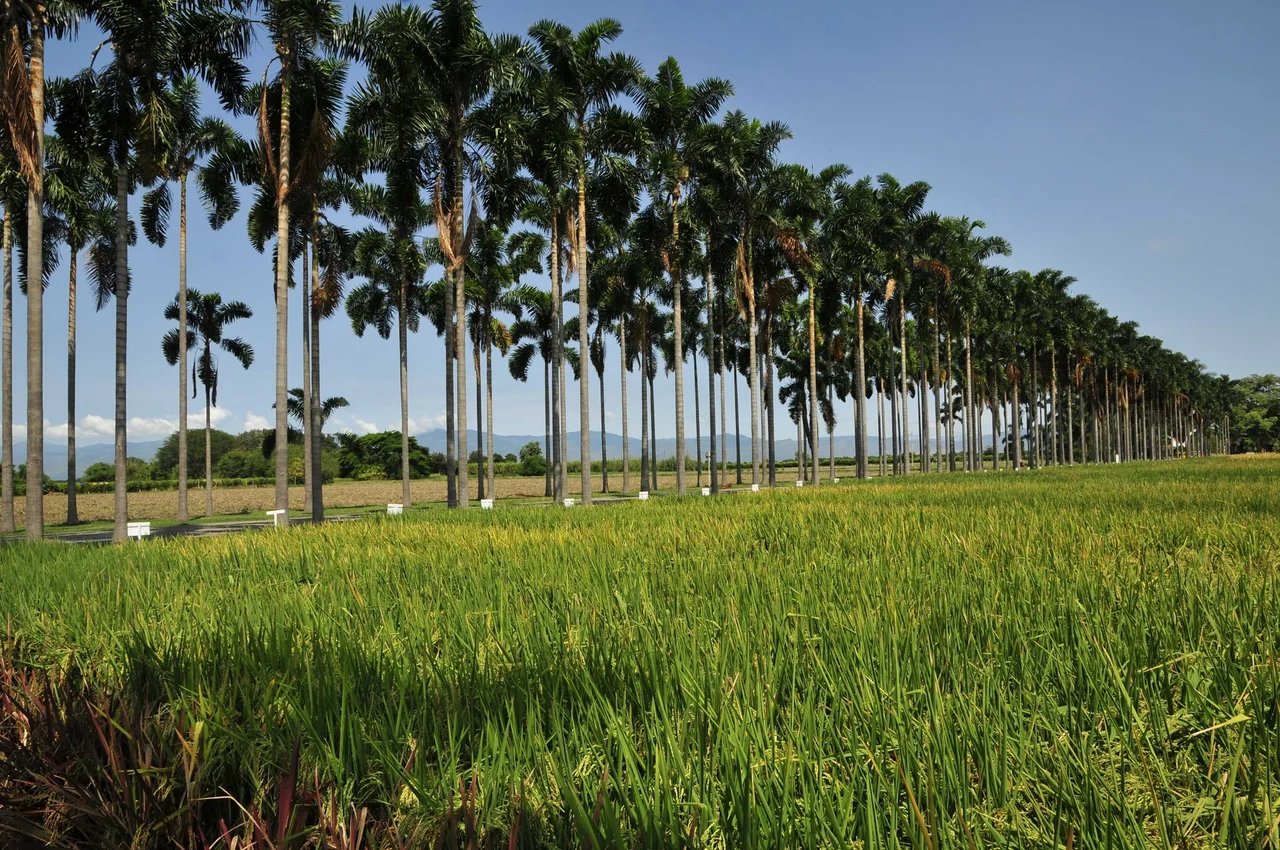
Key takeaways
- Fertilizer-grade urea contains approximately 46% nitrogen by mass.
- Gas, coal and electrolysis require different supplies and installations.
- Incorporating CO₂ in urea is not permanent carbon storage.
C&ENER · Perspectives 01 · 30 October 2026 · English edition 1.0 · Based on approved Spanish edition 4.0
Before urea: what a crop needs
Every crop draws nutrients from the soil to grow and produce. Fertilizers supplement that supply. The letters NPK, often seen on fertilizer packaging, identify three main nutrients: nitrogen (N), phosphorus (P) and potassium (K). Some blends supply all three; other products focus on one. [7]
Nitrogen is a component of proteins and chlorophyll, the pigment that captures light for photosynthesis. Its availability affects crop growth and yield. [7]
The right proportions depend on the soil, the crop and its growth stage. A particular application may prioritize a nitrogen source while other nutrients come from the soil or previous applications. This does not mean that the plant needs nitrogen alone. [7]
Urea is a concentrated source of that nutrient. Following its journey backwards from the farm connects the farmer with the energy, chemistry and logistics needed to produce and deliver it.
Colombia has a history of manufacturing at Abocol and Ferticol. [1] What would it take to produce urea again? Answering that question requires examining the available pathways, including the industrial conversion of coal into ammonia and urea. [2,3]
What is inside the bag
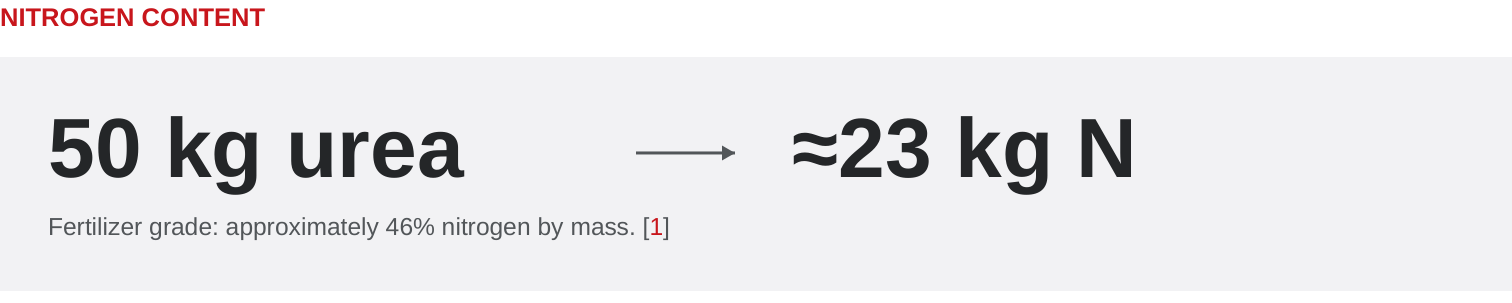
Fertilizer-grade urea contains approximately 46% nitrogen by mass. A 50-kilogram bag therefore holds about 23 kilograms of nitrogen: a simple illustration of why it is used as a concentrated nutrient source. [1]
Manufacturing urea requires ammonia and carbon dioxide, or CO₂. Ammonia, in turn, is made by combining nitrogen from the air with hydrogen. [1,2] The major industrial choice is how to obtain that hydrogen and the energy the process needs.
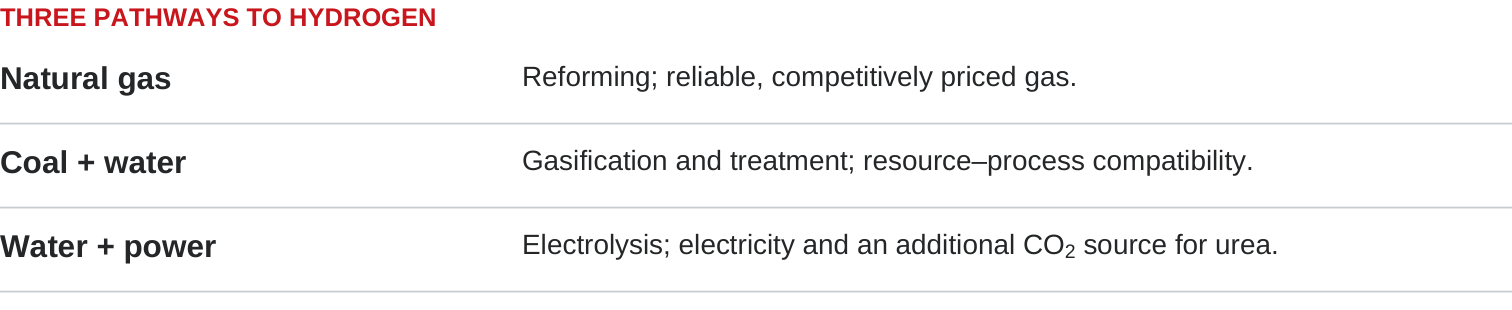
Natural gas provides hydrogen through reforming. Coal provides it through gasification and treatment of the resulting gas. Electrolysis separates hydrogen from water using electricity. Under the latter pathway, a urea plant must also secure a source of CO₂. [2,3]
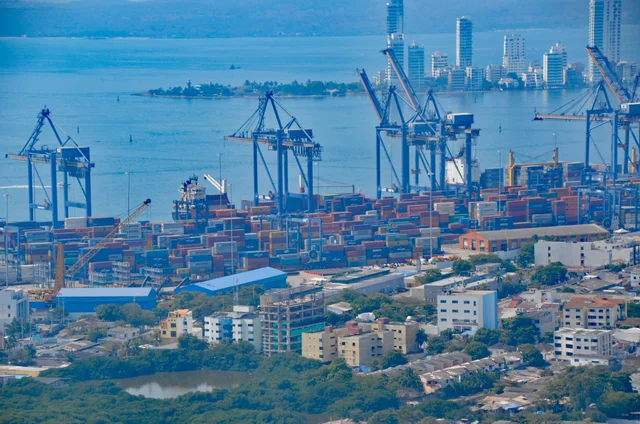
These pathways can lead to the same product, but require different facilities and supplies. Announcing a “fertilizer plant” is not enough to establish which activity is involved: blending nutrients purchased from third parties and synthesizing urea are different industrial operations. New blending capacity can benefit agriculture without replacing production of the basic molecule.
Exhibit 1. Three pathways to hydrogen
| Starting point | Main transformation | Key assessment question |
|---|---|---|
| Natural gas | Reforming → hydrogen | Is reliable gas available at a competitive price? |
| Coal + water | Gasification and treatment → hydrogen | Do the resource and process work together at an acceptable cost? |
| Water + electricity | Electrolysis → hydrogen | Is competitive electricity available, and how is CO₂ integrated for urea? |
All three pathways require nitrogen to produce ammonia; urea also requires CO₂. Conceptual illustration based on [1–3], without comparing costs of specific projects.
Read figure description
NITROGEN CONTENT
50 kg urea
≈23 kg N
Fertilizer grade: approximately 46% nitrogen by mass. [1]
Read figure description
THREE PATHWAYS TO HYDROGEN
Natural gas
Reforming; reliable, competitively priced gas.
Coal + water
Gasification and treatment; resource–process compatibility.
Water + power
Electrolysis; electricity and an additional CO2 source for urea.
Where coal enters the story
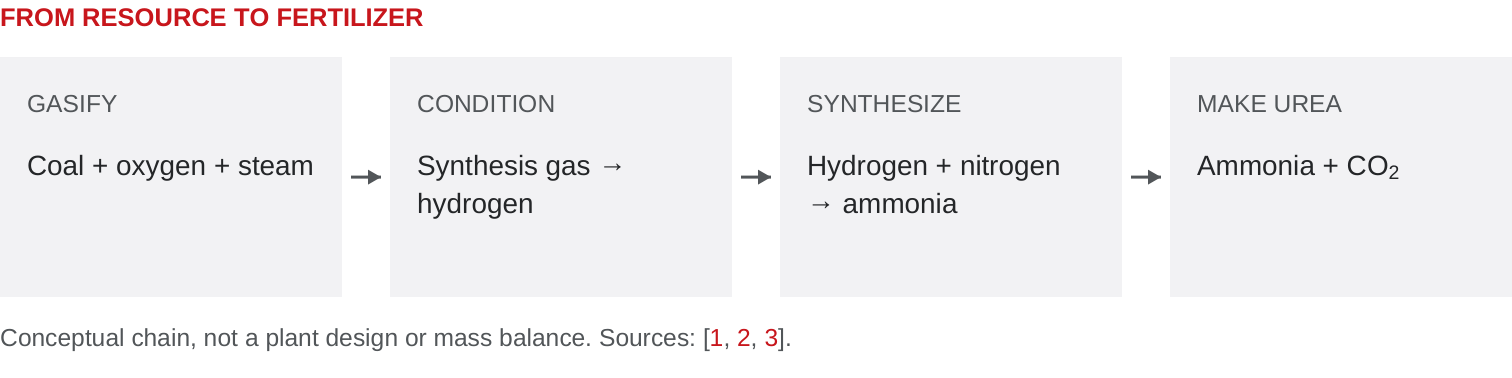
The coal pathway begins in a gasifier. Coal reacts with oxygen and steam to produce synthesis gas, which is conditioned and purified to obtain hydrogen. Hydrogen and nitrogen then enable ammonia production. Ammonia and CO₂ feed urea synthesis. [1–3]
Colombia’s National Mining Agency, ANM, shows this connection in its table of coal uses: gasification, synthesis gas, ammonia, urea and fertilizers. [3] This is a documented chain with international industrial precedents. It can therefore be studied as an established technology rather than one that still needs to be invented.
For Colombia, the next step begins underground and continues through engineering. Coal quality and variability, availability and the cost of supplying the selected process all matter. ANM also identifies the need to assess feedstock quality when estimating its potential for hydrogen production. [3]
A gasifier, an ammonia plant and a urea unit must operate as an integrated system. They also require water, energy, maintenance and waste management. The opportunity emerges when this integration makes effective use of the resource and delivers a product the market wants to buy.
Exhibit 2. From resource to fertilizer
Coal + oxygen + steam → gasification and treatment → hydrogen. Hydrogen + nitrogen → ammonia. Ammonia + CO₂ → urea.
Explanatory diagram: not a mass balance or plant design. Some separated CO₂ can be used in synthesis; this does not mean that all emissions are utilized.
Read figure description
FROM RESOURCE TO FERTILIZER
GASIFY
Coal + oxygen + steam
CONDITION
Synthesis gas →
hydrogen
SYNTHESIZE
Hydrogen + nitrogen
→ ammonia
MAKE UREA
Ammonia + CO2
Conceptual chain, not a plant design or mass balance. Sources: [1, 2, 3].
China demonstrates scale; other cases illustrate the pathway
China’s experience moves the discussion from chemistry to industrial evidence. The IEA estimated that around 85% of ammonia produced in China came from coal gasification in its 2020 reference year. It also linked that choice to the country’s abundant coal resources. [2] Ammonia feeds production of urea and other nitrogen products: coal is part of a large-scale industrial chain.
The distinction between products matters. That 85% refers to ammonia; it is not a share of Chinese urea production. It indicates the scale of the technology’s use in the fertilizer’s feedstock without conflating different statistics.
The United States provides a direct urea example. Dakota Gasification’s Great Plains facility first produced urea on 19 January 2018. Its complex gasifies lignite and supplies the ammonia and CO₂ needed to manufacture the fertilizer. [5] It is an operating connection between coal and urea outside China.
India represents a development commitment. Talcher Fertilizers is developing an integrated gasification, ammonia and urea complex. As of the review date, its corporate website describes construction and operational preparation; it is presented here as a project under construction. [6] Its significance lies in the decision to develop capacity using domestic resources, rather than demonstrating widespread current use of this pathway in India.
The IEA also records coal-based ammonia production in South Africa and Indonesia, at much smaller scales than in China. [2] These cases broaden the international experience, although they are not presented as evidence of coal-based urea manufacturing in all those countries.
For Colombia, these precedents support examining a technology with accumulated operating experience. The local task is to select a configuration suited to the resource, the market and the project’s environmental requirements.
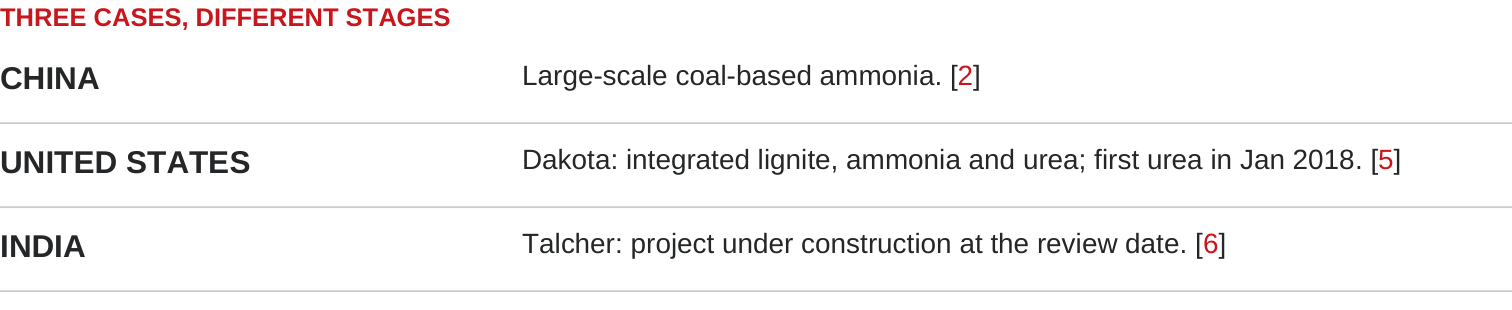
Exhibit 3. Industrial experience, with clear denominators and development stages
| Case | What it demonstrates | Scope |
|---|---|---|
| China: approximately 85% of ammonia from coal | Large-scale industrial use | IEA (2021), reference year 2020; not a urea share |
| United States: Dakota Gasification | Urea produced in a lignite-gasification complex | First urea production: January 2018 |
| India: Talcher Fertilizers | Development of integrated coal-based capacity | Project under construction at the review date |
Sources: [2,5,6]. The cases illustrate experience and development decisions; they do not establish the feasibility of a Colombian plant.
The business case reaches the buyer’s door
Imagine two bags of equally specified urea in a Colombian buyer’s warehouse. One arrived from abroad; the other came from a domestic plant. The comparison starts there: delivery cost, availability and payment terms.
For imported product, the relevant components include the origin price, freight, port costs, storage and inland transport. For domestic product, they include feedstock, energy, plant operation and distribution. The project must also recover its investment and sustain working capital.
Low-cost coal can therefore be an important advantage while leaving other questions open. A plant near the mine may save on coal transport while remaining distant from some buyers. A more efficient facility may require a larger initial investment. Each decision affects more than one part of the calculation.
Proximity can also create value: a local supplier could diversify supply, offer more flexible deliveries or shorten some routes. That benefit depends on reliability. A plant outage requires inventories or alternative sources to keep serving the customer.
Agricultural demand creates a potential market; supporting an investment requires specific buyers. How much they would buy, to what specification, at which times and at what price matters as much as the technology. The economics must also withstand less favorable international prices, delays and a slower-than-expected ramp-up.
Exhibit 4. Compare at the same destination
Imported route: origin → ocean transport → port and storage → buyer. Domestic route: resource and energy → production → storage and transport → buyer.
Conceptual comparison; distances and costs are not shown to scale. Assessment requires the same product, destination, timing and commercial terms.

Read figure description
TWO ROUTES, ONE DELIVERY POINT
IMPORTED
Origin and freight → port and inventory → distribution → buyer.
DOMESTIC
Production → inventory → distribution → the same buyer.
CO₂ involves two separate accounts
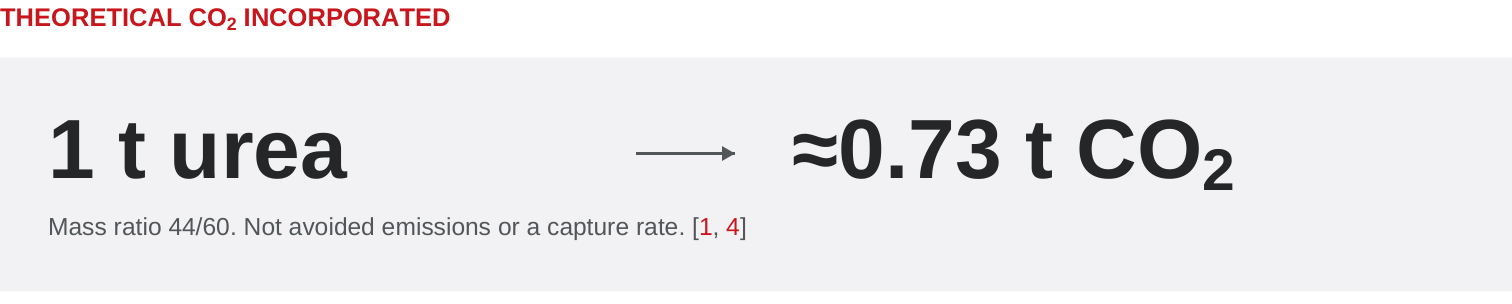
CO₂ is also a urea feedstock. The reaction combines ammonia and carbon dioxide to form the fertilizer. By chemical composition, each tonne of pure urea incorporates the equivalent of approximately 0.73 tonnes of CO₂. This is a theoretical relationship—44 mass units of CO₂ for every 60 of urea—excluding actual plant losses or consumption. [1,4]
In an integrated complex, a CO₂ stream separated during hydrogen production can feed this synthesis. Dakota Gasification demonstrates the integration in practice: both the ammonia and CO₂ for its urea are produced within the same complex. [5] This requires the appropriate purity, pressure and availability; its economic value depends on design.
The second account covers the complex’s CO₂ balance. It must establish how much is generated, how much urea production uses and what happens to the remainder. That balance determines requirements for treatment, compression and, where considered, capture and geological storage. The associated equipment, energy and infrastructure must be included in investment and operating costs.
Incorporating CO₂ into the product does not amount to permanent storage. The IPCC explains that applying urea to soil releases carbon fixed during manufacturing. [4] The 0.73 tonnes incorporated therefore cannot automatically be presented as avoided emissions or as the complex’s capture rate.
For a Colombian project, the useful information is a balance that distinguishes these quantities and their destinations. It reveals where industrial integration creates value and what carbon management remains necessary.
Exhibit 5. From chemical input to the complex’s balance
- Per tonne of pure urea: approximately 0.73 tonnes of CO₂ theoretically incorporated in synthesis.
- The complex’s CO₂ generation depends on its configuration; it is not calculated here.
- The balance must identify use in urea and the remainder’s destinations: other uses, geological storage or emissions.
- Use in urea is temporary; it does not by itself equal permanent storage.
Mass relationship: 44/60 ≈ 0.73. Sources: urea composition [1] and urea carbon methodology [4]. The figure does not represent volumes to scale or C2U’s net emissions.
Read figure description
THEORETICAL CO2 INCORPORATED
1 t urea
≈0.73 t CO2
Mass ratio 44/60. Not avoided emissions or a capture rate. [1, 4]
The industrial opportunity
Colombia can examine how to connect its resources with the inputs its agriculture needs. The coal pathway has a place in that assessment.
Three questions organize the decision: Can the plant operate reliably? Can it compete by delivering urea to the customer? Can it be built and financed with its impacts and risks incorporated?
Sources and scope
A C&ENER publication. The company originates, structures and develops projects in Colombia and is developing the C2U initiative. It has a commercial interest in this discussion. This article is documentary analysis, not a plant feasibility study. The cited institutions do not endorse the project or the editorial conclusions.
Research cut-off: 30 October 2026. Historical references retain their dates; they are not presented as an updated industrial census. Commercial comparisons and decision questions are C&ENER analysis. No estimates of current demand, investment or returns are published.
[1] UPRA, MADR and DANE. Agricultural input and animal-feed price index, September 2024. “Urea 46-0-0” factsheet, pp.7–8: nitrogen content, synthesis and production history. The bag example is 50 kg × 46%. https://agronet.gov.co/sites/default/files/2025-11/01_BolInsumSep_20241101.pdf
[2] IEA. Ammonia Technology Roadmap (2021). Reference year 2020; printed pp.9 and 34: Chinese ammonia from coal and other country examples. https://iea.blob.core.windows.net/assets/6ee41bb9-8e81-4b64-8701-2acc064ff6e4/AmmoniaTechnologyRoadmap.pdf
[3] ANM. Non-conventional uses of coal in Colombia in a decarbonization context. Table 2, p.39; §3.4.5, pp.97–98. Portal filename: July 2026; internal version date: 22 December 2025. https://saportalanm.blob.core.windows.net/public-files/2026-07/Carb%C3%B3n%20-%20julio%202026.pdf
[4] IPCC. 2006 Guidelines, vol.4, chapter 11, §§11.2 and 11.4, p.11.32: soil emissions and carbon in applied urea. https://www.ipcc-nggip.iges.or.jp/public/2006gl/pdf/4_Volume4/V4_11_Ch11_N2O%26CO2.pdf
[5] Dakota Gasification Company. Urea; Gasification process. First urea production: 19 January 2018; integrated ammonia and CO₂ and lignite gasification. Reviewed 30 October 2026. https://www.dakotagas.com/products/fertilizers/urea.html https://www.dakotagas.com/about-us/gasification/gasification-process.html
[6] Talcher Fertilizers. Project Status and corporate website. Construction and operational preparation; reviewed 30 October 2026. No operating date or Indian production share inferred. https://tflonline.co.in/project-status/ https://tflonline.co.in/
[7] Roy, R.N.; Finck, A.; Blair, G.J.; Tandon, H.L.S. FAO (2006). Plant nutrition for food security, Bulletin 16. Printed pp.26–29: nutrients and functions; pp.74–75: soil assessment and nutrient supply. https://www.fao.org/4/a0443e/a0443e.pdf
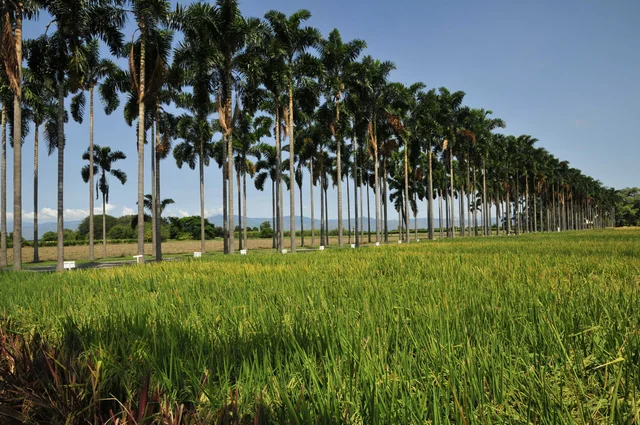
Opening photograph: rice at CIAT, Colombia. Neil Palmer / CIAT, Rice 18 lo (5038157502), Wikimedia Commons, CC BY-SA 2.0. Editorial crop. https://commons.wikimedia.org/wiki/File:Rice_18_lo_(5038157502).jpg https://creativecommons.org/licenses/by-sa/2.0/
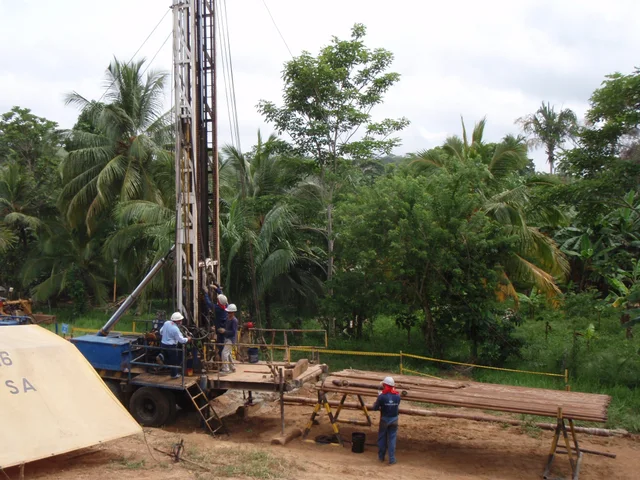
Field photograph: C&ENER corporate archive, identified as Córdoba in a 2025 presentation. Historical fieldwork, not a urea plant or evidence of its current status.
Perspectives 01
The full analysis, also as a PDF.
Keep the publication with its figures, references and scope.